Posts

A Guide to Precision CNC Milling

Image
CNC milling is a versatile manufacturing process suitable for numerous manufacturing materials ranging from plastic and composite materials to metal and glass. It begins with the composition of a 2D or 3D product design, which is exported to a CNC machine program. The CAM software plays a vital role in exporting a CNC-compatible file of the design to the machine, which further dictates the tooling movements across the workpiece to create the final product.   It’s an essential product manufacturing step before the part is custom-designed according to its required specifications and passed to the post-processing production stages. A wide range of industries employs CNC machining and milling services to create many features and designs. Here’s a quick guide to CNC milling. The Applications of CNC Milling There’s a wide range of CNC milling applications across various industries. It’s the most popular technology for rapid prototyping, thereby helping engineers and product designers ach...

A Comprehensive Guide to CNC Machining

Image
Some of the most sophisticated industrial technology we see these days are an outcome of CNC or Computer Numerical Control machining. It’s a 50-year old technology  acquired for its high-quality automation and precision for creating countless innovative products. CNC machining has benefited a wide range of industries, including aerospace, medical, automotive, and defense sectors.   Computer Numerical Control (CNC) machining is a modern manufacturing process that involves pre-programmed computer software for seamlessly recording the movement and rotation of factory machinery and tools. Most manufacturers employ CNC machining  to supervise and control complicated industrial machineries such as mills, routers, and grinders. It’s a convenient and quick way to accomplish three-dimensional cutting tasks in factories within a few minutes.   Here’s everything you should know about CNC machining. The CNC Machining Process CNC machining is an incredibly flexible and versatile ...

The Importance of Minimizing Mechanical Cable Strain

Image
Mechanical Cables and Their Uses Mechanical cables are attached to rigs and cranes and are primarily used for pulling movements  such as carrying and lifting heavy loads. They are used in various industries such as construction, shipping, mining & extraction, and other industrial applications. They play a major part in the industrial process and thus, the quality and maintenance of mechanical cables should never be compromised. What is Mechanical Cable Strain and Why is it Dangerous? Mechanical cables go through continuous and rigorous pull movements, which challenges the tensile capacity of the cable over extended periods of time. When that happens on a regular basis, the cables get damaged due to cable strain, which can be extremely dangerous on industrial sites. Unannounced cable breakages can cause heavy loads to plummet, causing expensive equipment and materials to get damaged. It can also cost the lives of any site operator or civilian underneath the heavy load. The accid...

Process Instrumentation: Ensuring Reliability of Drilling Equipment

Image
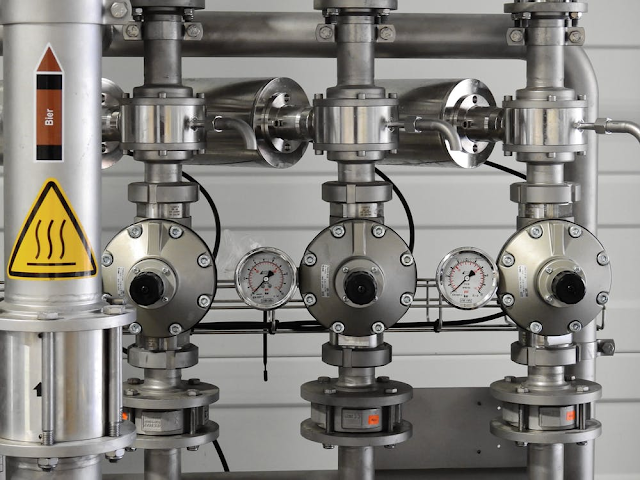
What is Process Instrumentation? Process instrumentation is the measuring, monitoring and analyzing of physical quantities  such as temperature, pressure and fluid flow rates. Types of process instrumentation equipment used by engineers, technicians and operators include sensors, detectors and monitoring systems. They are used in multiple industries such as manufacturing, mining, drilling oil and gas and other sectors. Manufacturing and engineering sites are hazardous and therefore, reliable process instruments for accurate readings and analyses are vital to ensure workspace safety and environmental protection is maintained. Importance of Process Instrumentation in Drilling Equipment From indication to analysis, accuracy is essential when facilitating drilling rigs. Precise measurements allow complete control over the entire process. Quality pressure monitoring products are integral to accurately monitor gas and steam pressure levels when drilling hundreds of feet into the ground. ...

Solving Maintenance Challenges In The Oil And Gas Industry

Image
Oil and gas companies in Canada operate in complex environment that’s subject to national and international constraints. Fluctuating prices and strict regulation are among some of the challenges that affect operations. These have a trickle   down effect on maintenance and safety. Here are some common maintenance challenges and their solutions. Machinery maintenance Assets used in the oil and gas industry are complex, expensive, and require the expertise of specialists for repair and maintenance. Every piece of equipment used in oil drilling has very specific functions to perform in the drilling process, which means the maintenance tasks vary in complexity and duration. Canada also has several offshore oil installations that aren’t easily accessible. Ineffective maintenance can therefore cost a company millions of dollars, lead to accidents due to malfunctioning or failure, slow or halt production, produce poor quality goods, and waste work hours. As an oil drilling business, it’s e...

Keeping Offshore Oil Rigs Injury-Free

Image
Working at an offshore oilfield is dangerous, even under the best conditions. Oil drilling companies have to therefore focus on the safety of workers. There’s been an increase in the safety-first mindset across organizations in this industry, after the shocking number of fatalities  linked to Canada’s oil industry. Here are some ways to prevent accidents and injuries on an offshore oil rig: Mandatory orientation No matter how experienced an oil industry worker is, every new member on the team should be given a mandatory orientation before beginning the job. An orientation  is your chance to ensure they align with the company’s operational policies, expectations, worksite rules, protocols etc. Regularly organize training and monitor workers An orientation shouldn’t be the first and last time a worker receives training. Due to the complex nature of the job and constant advancement in the industry, employees must be regularly trained. Training on machinery use and safety procedur...

4 Useful Pieces of Instrumentation Equipment for Land Rigs

Image
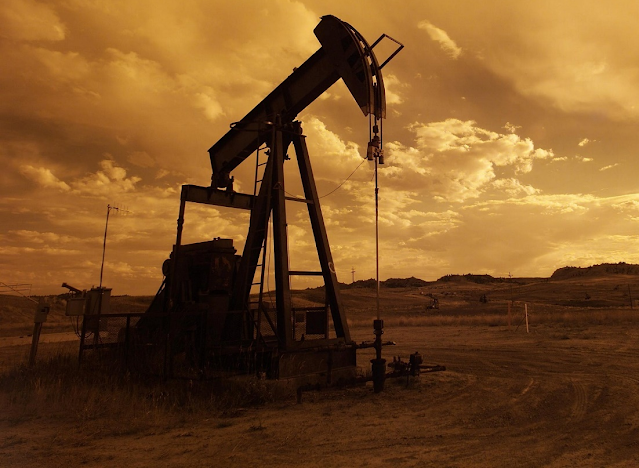
Over the last 20 years, offshore oil rigs in North America have dwindled in number, while onshore rigs have seen a massive surge . Land rigs can be set up in just a few short days, and in most cases, multiple holes can be drilled with minimal maneuvering. These rigs require less investment because they don’t need helicopter transportation, additional living supplies, or housing. Specific process instrumentation equipment has made onshore rigging operations even more viable. These devices allow rigging crews to monitor and control processes with minimal human intervention. Let’s take a look at the most widely used process instrumentation equipment on land rigs. 1. Type F Standpipe Pressure Gauges Type F standpipe gauges have internal dampening systems that prevent gauge fluctuation and minimize wear on internal parts. Given the harsh operating conditions of land rigs, pressure gauges are often subject to vigorous vibrations and extreme temperatures. To prevent premature wear, these robu...